

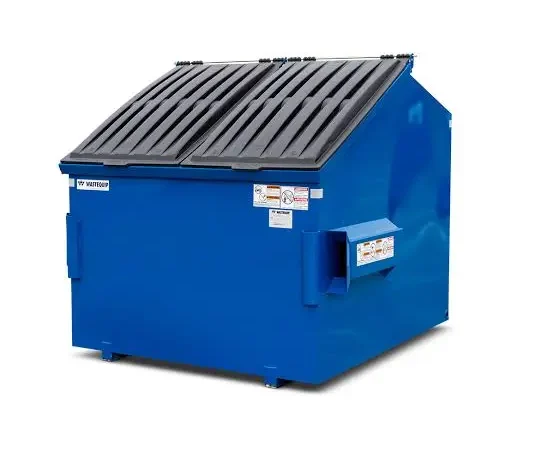
Managing commercial waste efficiently is an important part of running a clean, organized, and productive business. Whether you operate a restaurant, retail store, office building, or industrial facility, having a dependable waste collection system helps maintain workplace hygiene and prevent unnecessary disruptions. Choosing the right front load dumpster can make daily waste management easier by providing a consistent disposal solution that fits your property’s needs and waste production levels.
However, selecting a commercial dumpster involves more than choosing the largest container available. Businesses need to consider waste volume, available space, collection frequency, accepted materials, and operating costs. Understanding these factors helps property managers and business owners make practical decisions that support efficient waste handling over time.
What Is a Front Load Dumpster?
A front load dumpster is a commercial waste container designed to be emptied by specialized collection trucks that lift the container from the front. These trucks use mechanical lifting equipment to raise and empty the dumpster into the vehicle.
This system is commonly used by businesses, apartment complexes, shopping centers, restaurants, and other commercial properties that generate regular waste.
Unlike temporary waste containers used for construction projects or major cleanouts, front load dumpsters are generally intended for ongoing waste collection. They remain at a designated location and are emptied according to an established service schedule.
Their practical design makes them suitable for properties that need reliable waste disposal without requiring employees to transport garbage to distant collection points.
Benefits of Using Front Load Dumpsters for Commercial Waste Management
A properly selected commercial dumpster can improve several aspects of everyday business operations.
1. Consistent Waste Collection
Businesses produce waste continuously. Food packaging, cardboard, office materials, and general refuse can accumulate quickly without an organized disposal arrangement.
Front load containers provide a designated place for routine waste, while scheduled collection helps prevent excessive accumulation. This is particularly useful for businesses that operate throughout the week and need dependable waste removal.
2. Better Property Organization
Keeping waste in one designated container helps reduce clutter around commercial properties. Employees can follow consistent disposal practices instead of leaving bags in temporary storage areas.
A suitable container location also helps maintain cleaner loading areas, parking facilities, and outdoor spaces.
3. Flexible Container Sizes
Commercial waste requirements vary considerably. A small professional office may generate relatively little waste, while a busy restaurant or retail center may require substantially more capacity.
Front load dumpsters are available in different sizes, allowing businesses to select containers according to their typical waste volume and available space.
4. More Efficient Waste Handling
A centralized disposal system simplifies routine waste management. Employees know where to dispose of general refuse, and scheduled pickups reduce the need for businesses to arrange individual waste removal trips.
This can help managers spend less time coordinating disposal activities and more time focusing on daily operations.
How to Choose the Right Front Load Dumpster for Your Business
Selecting an appropriate container requires evaluating your property’s specific requirements. The following steps can help simplify the decision-making process.
Step-by-Step Guide to Selecting a Commercial Dumpster
1. Evaluate Your Daily Waste Volume
Start by estimating how much waste your business produces during a typical operating day or week.
Consider the number of employees, customer traffic, operating hours, and the type of materials your business discards.
For example, a small office may primarily generate paper, packaging, and general trash. A restaurant may produce food-related waste, disposable packaging, and cardboard throughout the day.
Understanding these patterns helps determine the container capacity needed to accommodate regular disposal without unnecessary overflow.
2. Select an Appropriate Container Size
Front load dumpsters are commonly available in several standard capacities, including 2-yard, 4-yard, 6-yard, and 8-yard options. Actual availability varies by service provider.
Each size serves different operational requirements.
- 2-yard dumpsters: Often suitable for smaller businesses with limited waste production.
- 4-yard dumpsters: Can accommodate moderate waste volumes from offices and smaller commercial properties.
- 6-yard dumpsters: May work well for restaurants, retail stores, and busier business locations.
- 8-yard dumpsters: Often considered by larger commercial properties with substantial routine waste.
These are general examples rather than fixed recommendations. The right capacity depends on the material being discarded, container access, and collection frequency.
3. Consider Your Available Space
Before arranging delivery, identify a suitable location for the container.
Measure the available area and consider the access requirements of the collection vehicle. The dumpster should be positioned where employees can use it conveniently without obstructing parking spaces, delivery routes, pedestrian pathways, or emergency access.
Also consider the surface beneath the container. A stable, level placement area can help support safe positioning and routine collection.
4. Determine the Right Collection Schedule
Container capacity and pickup frequency should work together.
A business with moderate waste production may require fewer collections than a busy commercial property. However, selecting a smaller container with an appropriate collection schedule can sometimes be more practical than maintaining a much larger container.
Review how quickly the dumpster fills and adjust service arrangements when business activity changes.
5. Understand Accepted Waste Materials
Not every commercial dumpster accepts every type of waste.
General front load services typically accommodate ordinary commercial refuse, but restrictions may apply to hazardous materials, certain chemicals, electronics, construction debris, and other specialized waste.
Ask the waste service provider for a clear list of accepted and prohibited materials before using the container. This helps prevent collection problems and supports responsible disposal practices.
Common Mistakes Businesses Should Avoid
Even a reliable waste collection service can become inefficient when the container does not match the property’s requirements.
Choosing a container that is too small: Insufficient capacity can lead to overflowing waste, additional cleanup, and more frequent collection needs. Review actual waste production before selecting a size.
Paying for unnecessary capacity: A large dumpster may seem convenient, but unused space can represent an avoidable expense. Choose a container that reasonably matches normal disposal requirements.
Ignoring placement requirements: Poor positioning can interfere with vehicle access, business deliveries, and pedestrian movement. Confirm placement arrangements before installation.
Overlooking collection frequency: Even an appropriately sized container can become difficult to manage if pickup intervals do not reflect waste production.
Disposing of restricted materials: Placing prohibited items in a commercial dumpster can create safety concerns and collection complications. Employees should understand the property’s disposal rules.
Practical Tips for Better Commercial Waste Management
Choosing the right dumpster is only one part of an effective waste management strategy. Businesses can improve daily operations through a few consistent practices.
Establish Clear Disposal Procedures
Make sure employees know where general waste, recyclable materials, and specialized items should go. Clear instructions reduce confusion and encourage responsible disposal habits.
Monitor Waste Production
Check container levels regularly to identify changes in disposal patterns. Seasonal business activity, promotional events, and increased customer traffic can all affect waste volume.
Separate Recyclable Materials
Cardboard, paper, metal, and certain plastics may be recyclable through appropriate programs. Keeping recyclable materials separate from general refuse can reduce unnecessary disposal and support environmental goals.
Maintain the Dumpster Area
Keep the surrounding area organized and free from loose debris. Ensure that access remains unobstructed and that the container is used according to the service provider’s guidelines.
Review Service Requirements Periodically
Business needs change over time. Expansion, staffing changes, additional customers, and new operating hours may affect waste production.
Review container capacity and pickup arrangements periodically to ensure the existing service continues to meet operational requirements.
Conclusion
Choosing the right front load dumpster helps businesses maintain cleaner properties, organize daily waste disposal, and support efficient commercial operations. By evaluating waste volume, container capacity, placement requirements, collection frequency, and accepted materials, business owners can select a practical solution that meets their needs. Regular monitoring and responsible disposal practices further improve waste management. A well-planned commercial dumpster arrangement makes everyday operations more organized while helping businesses maintain a professional and welcoming environment.