

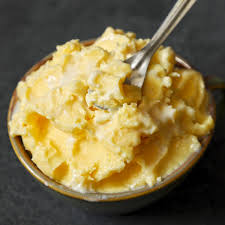
In recent years, there has been a growing interest in traditional and artisanal foods. People are rediscovering the rich flavors and health benefits of products made using time-honored methods. One such product at the center of this revival is cultured butter. Unlike standard butter found in most supermarkets, cultured butter is crafted using fermentation techniques that date back centuries. This process gives the butter its distinctive tangy flavor, creamy texture, and nutrient-rich profile, making it a favorite among food enthusiasts and health-conscious consumers alike.
Understanding Cultured Butter
Cultured butter is made from cream that has been fermented before churning. This fermentation introduces natural lactic acid bacteria, which give the butter its unique, tangy flavor. Compared to regular sweet cream butter, cultured butter is richer, more complex, and often considered superior in both taste and texture. Its creaminess melts beautifully when spread on bread or used in cooking, creating a luxurious mouthfeel that elevates even simple dishes.
Nutritionally, cultured butter is more than just a source of calories. It contains fat-soluble vitamins such as A, D, E, and K, as well as beneficial probiotics that support digestive health. The healthy fats in cultured butter also make it more satisfying, helping to keep you fuller for longer. This combination of taste, texture, and nutrition is what makes cultured butter an essential component in the revival of traditional dairy practices.
The History of Traditional Dairy
Butter-making is an ancient practice that has been part of human culture for thousands of years. Across Europe, the Middle East, and Asia, communities developed fermentation techniques to preserve cream and enhance flavor. Fermented butter was not only more flavorful than unfermented butter but also more stable for storage.
In many cultures, butter played a central role in rituals, ceremonies, and daily meals. It was prized for its richness and versatility, appearing in breads, sauces, and festive dishes. Traditional dairy practices emphasized quality, patience, and care—principles that are sometimes lost in modern industrial production.
Modern Challenges in Dairy
With the rise of industrialized dairy production, many traditional practices were sidelined. Mass-produced butter often prioritizes quantity over quality. It is made quickly, sometimes using sweet cream that skips the fermentation process. While convenient, this results in a product that lacks the depth of flavor, aroma, and nutrients found in traditional cultured butter.
The decline of artisanal dairy also impacts small-scale farmers and local communities. Many traditional dairies struggled to compete with large manufacturers, leading to a loss of heritage and knowledge about natural butter-making processes.
How Cultured Butter Revives Tradition
Cultured butter is bringing traditional dairy back into homes and kitchens around the world. By embracing fermentation, small-scale farms and artisanal producers are restoring the rich, tangy flavors that modern consumers often miss.
This butter also preserves nutrients that can be diminished in mass production. Probiotics, enzymes, and fat-soluble vitamins remain intact, making cultured butter not only tastier but healthier. Choosing cultured butter supports heritage and sustainability by encouraging practices that prioritize quality over volume.
For many food lovers, using cultured butter is also about connecting with history. Every spread of butter on bread or spoonful in a recipe reflects centuries of artisanal knowledge and care. In regions like the UAE, where traditional foods are valued, premium options such as white butter in Dubai provide both a cultural and culinary experience, combining flavor, nutrition, and tradition in one product.
Practical Uses of Cultured Butter Today
Cultured butter is incredibly versatile in the kitchen. It can be enjoyed simply as a spread on rustic breads or crackers, where its creamy texture and tangy flavor truly shine. It is also ideal for cooking and baking, where it enhances the taste of sauces, pastries, and sautés.
Pairing cultured butter with fresh, wholesome ingredients further elevates meals. For instance, combining it with fresh cow milk in Sharjah or other high-quality dairy products can create rich, flavorful breakfasts or desserts. The natural creaminess and depth of cultured butter complement the freshness of milk, producing dishes that are both satisfying and nutritious.
Additionally, cultured butter can be used to create gourmet finishes for everyday meals. Drizzle it over roasted vegetables, melt it into cooked grains, or add it to simple sauces to enrich flavor and texture. Even a small amount can transform an ordinary dish into a culinary delight.
Consumer Awareness and Appreciation
As people become more interested in quality ingredients, awareness about cultured butter is growing. High-quality butter should be creamy, aromatic, and slightly tangy, reflecting its fermentation process. It is important for consumers to understand the value of choosing artisanal or premium options over mass-produced alternatives.
Proper storage is also crucial. Cultured butter should be kept refrigerated to maintain freshness and prevent spoilage. When used correctly, it retains its natural flavor and nutritional benefits, making it a worthy addition to any kitchen.
Conclusion
Cultured butter is more than just a spread; it represents the revival of traditional dairy practices that honor flavor, nutrition, and heritage. Its rich, tangy taste, creamy texture, and nutrient density make it a standout choice for anyone looking to enjoy the best of artisanal dairy.
By choosing cultured butter, especially premium options like white butter in Dubai, consumers support small-scale production, sustainable farming, and the preservation of centuries-old techniques. Pairing it with fresh, wholesome ingredients such as fresh cow milk in Sharjah or artisanal breads allows you to experience the full depth of flavor and richness that traditional dairy offers.
In a world of mass-produced foods, cultured butter reminds us that quality, care, and tradition are still worth savoring. It bridges the gap between the past and present, bringing the taste and nutrition of traditional dairy back to modern kitchens in the most delicious way possible.