Preschool Activities Designed to Build Social, Cultural, Sports, and Festival Values
In the early years of a child’s development, learning is not only about letters and numbers. It’s also about discovering how to interact with others, embrace diversity, participate in teamwork, and celebrate shared traditions. As a result, well-designed preschool activities serve as powerful tools for instilling foundational social, cultural, sports, and festival values.
In this article, we’ll explore engaging, fun-filled, and age-appropriate preschool activities that foster well-rounded development and set the stage for lifelong learning
Why Focus on Values in Preschool Activities?
Preschool is a time when children begin forming their sense of self, community, and behavior.
The values learned during this period lay the foundation for how they treat others and perceive the world around them.
When children engage in structured preschool activities that emphasize social skills, cultural appreciation, physical coordination, and festive joy, they learn by doing—not just by listening.
These values-based preschool activities help children develop:
Empathy and kindness
Respect for cultural differences
Team spirit and sportsmanship
An understanding of celebrations and traditions
Let’s take a deeper look at how each type of value can be taught through meaningful, hands-on preschool activities.
Preschool Activities for Teaching Social Values
Developing social values early on supports a child’s ability to understand emotions and build meaningful relationships.. Preschoolers begin to understand concepts like sharing, helping, listening, and taking turns through everyday interactions.
Key Preschool Activities for Social Development
Morning Circle Time: Start the day with a greeting, feelings check-in, or short discussion. This activity helps children learn to express emotions and listen to others.
Role-Play and Pretend Corners: Create dramatic play areas like a kitchen, hospital, or store. Let children act out real-life situations and practice cooperation and empathy.
Kindness Jar: Set up a jar where children can place a token or sticker each time they witness or perform a kind act. Celebrate the collective effort weekly.
Group Projects: Whether it’s painting a mural or building a block city, group activities teach negotiation, turn-taking, and shared goals.
By engaging in these activities, children not only learn social values but also strengthen their communication skills, self-esteem, and ability to manage emotions.
Preschool Activities to Teach Cultural Values
We live in a beautifully diverse world, and preschool is the ideal place to introduce children to various cultures in a respectful, engaging way. Through stories, crafts, music, and food, young children can explore global traditions and learn to celebrate differences.
Cultural Learning Through Preschool Activities
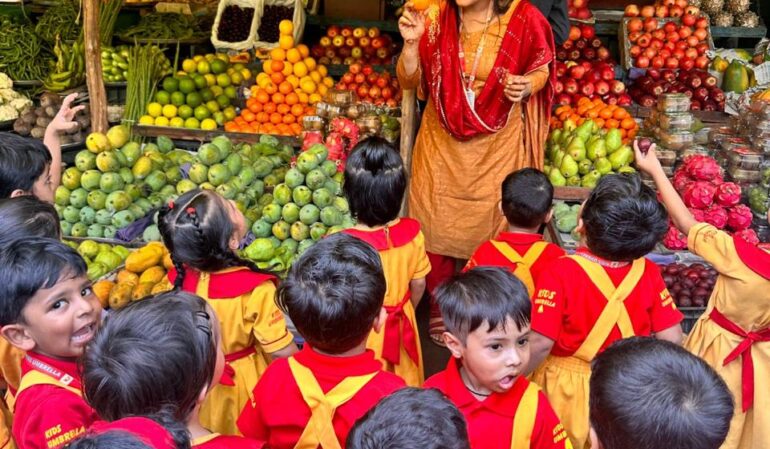
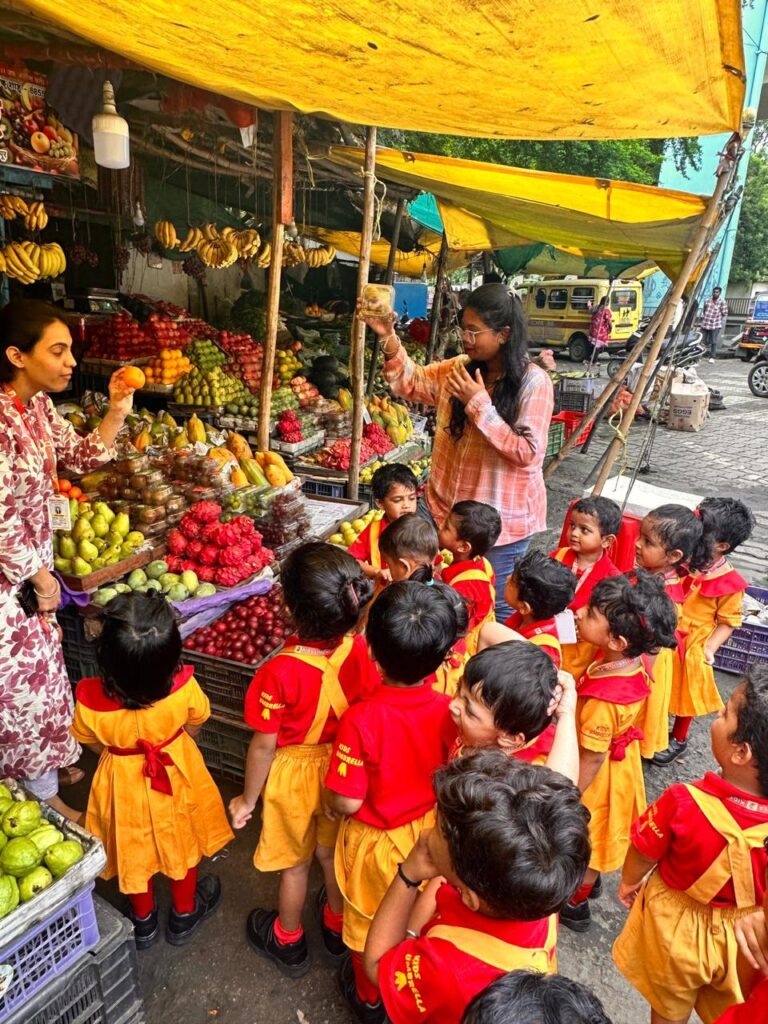
Culture Days : Dedicate each week to learning about the people, language, and traditions of a different country or region. Introduce children to simple words, food samples, traditional clothing, and music from that culture.
Multicultural Storytime : Select books from around the world that feature diverse characters, traditions, and experiences. Help children understand that different doesn’t mean better or worse, just another way of being
Art from Around the Globe : Create projects inspired by international art styles—like Japanese origami, Indian rangoli, or Mexican papel picado.
Hello Wall : Celebrate global diversity by teaching children to greet others in multiple languages. Display the greetings on a classroom wall for a daily reminder of global diversity.
These preschool activities encourage inclusiveness and help children develop curiosity and appreciation for others’ traditions and backgrounds.
Preschool Activities That Promote Sports Values
Physical play is crucial for developing gross motor skills, but it also offers valuable lessons in patience, discipline, and teamwork.
Sports-based preschool activities show kids how to follow rules, respect others, and try their best—regardless of the outcome.
Fun and Active Preschool Sports Activities
Mini Sports Day: Host a simple event with beanbag throws, hopping races, or balance walks. Focus on participation rather than winning.
Team Colors and Chants: Divide the class into teams with matching colors and chants. Celebrate cheering for one another and working together.
Yoga and Movement Games: Practice stretching, animal poses, or dance games like freeze dance to build coordination and focus.
Parachute Games: Use a colorful parachute for cooperative games that require all children to work together. These activities foster unity and physical engagement.
Sports-oriented preschool activities create strong bonds and teach children how to handle both success and challenges in a healthy way.
Preschool Activities to Celebrate Festival Values
Festivals bring a sense of wonder, tradition, and joy to young learners.
They’re also powerful tools for teaching children about community, gratitude, and the stories behind celebrations.
Seasonal and Festive Preschool Activities
Festival-Themed Crafts: Create lanterns for Diwali, heart cards for Valentine’s Day, or fireworks paintings for the Fourth of July.
Cooking Together: Prepare easy festive snacks or sweets as part of the celebration.
Children love the hands-on sensory experience and gain insight into cultural food traditions.
Dress-Up Days: Encourage children to wear traditional clothing or colors associated with a festival.
Take photos and talk about the meaning behind the outfits.
Music and Dance: Play songs and teach dances from various cultural festivals.
Music helps children feel the spirit of celebration and makes learning more fun.
By incorporating these festival-based preschool activities,
children begin to understand values like gratitude,
family, giving, and togetherness.
How to Make Preschool Activities More Impactful
To ensure these preschool activities truly teach values and not just entertain, here are a few helpful tips for educators and parents:
Be Consistent : Reinforce the same values across different activities and conversations.
Model the Behavior : Children watch adults closely. Display kindness, patience, and respect.
Reflect and Discuss : After each activity, talk with the children about what they did, how they felt, and what they learned.
Celebrate Progress : Recognize when children demonstrate the values being taught.
Use praise and storytelling to highlight those moments.
Preschool Activities That Shape the Future
The early years are the most formative .
By integrating well-designed preschool activities to teach social, cultural, sports, and festival values, we help
children develop into respectful, empathetic, and confident individuals
These activities aren’t just fun—they are meaningful.
They shape the way children think, feel, and interact with
the world around them.
Whether expressed by a kind deed,
The Role of Parents in Reinforcing Preschool Activities
While preschool is where many of these activities begin, the values they aim to nurture become stronger when extended into the home. Parents play a vital role in reinforcing lessons children learn through play, sports, cultural exploration, and festivals. For example, if a child participates in a kindness jar activity at school, parents can encourage similar practices at home by acknowledging when the child helps a sibling or shares toys.
Similarly, cultural and festival activities gain greater meaning when families talk about their own traditions, share stories from grandparents, or even invite children to participate in preparations. When preschool and home environments align, children gain a consistent understanding of social, cultural, sports, and festive values, making learning more impactful and lasting.
Integrating Social Values into Everyday Life
One of the easiest ways for children to strengthen social values is through repetition in daily routines. Parents and teachers can encourage children to use polite words like “please” and “thank you,” wait for their turn at mealtimes, or help set up and clean up after group activities. When children experience these social expectations in multiple settings, they internalize them naturally.
Teachers can also organize small cooperative classroom responsibilities like watering plants or feeding a class pet. These responsibilities help children understand accountability while teaching compassion toward living things.
Cultural Awareness Through Shared Experiences
Cultural values can be taught not just through planned activities, but also through daily exposure. For instance, playing lullabies or children’s songs in different languages during rest time can spark curiosity. Displaying flags, art, or photos from around the world in the classroom also keeps cultural appreciation visible.
Families can enrich this further by celebrating “heritage days” where children bring an item from their culture—like a food, piece of clothing, or family story—to share with peers. Such activities give children pride in their background while also promoting respect for others’ traditions.
Sports Values: Building Confidence Beyond Physical Skills
Sports-based preschool activities go beyond physical fitness; they build resilience, patience, and respect. When children participate in group games, they learn that success doesn’t always mean winning—it can also mean supporting teammates, trying their best, and celebrating effort.
Preschools can rotate between structured activities like obstacle courses and free play like ball games to balance fun with discipline. Activities like yoga not only improve flexibility but also introduce children to mindfulness, teaching them how to calm themselves when emotions run high.
By encouraging “team spirit” early, children grow up with a healthy perspective on competition—focusing more on effort and growth than simply on results.
The Magic of Festivals in Preschool Learning
Festivals create a sense of wonder and excitement in young children, making them an excellent medium for teaching values. Beyond the crafts, music, and food, teachers can explain the meaning behind traditions in simple, story-like formats. For example:
Diwali can be taught as a festival of light, symbolizing the triumph of good over darkness.
Christmas can highlight values of giving, kindness, and family bonding.
Holi can teach about colors, joy, and unity.
These celebrations not only build cultural awareness but also help children associate positive emotions with values like gratitude, generosity, and togetherness.
Making Preschool Activities Future-Ready
In today’s interconnected world, preschool activities should also introduce children to modern values like sustainability, inclusiveness, and digital responsibility (at an age-appropriate level). Activities such as planting a class garden, recycling craft projects, or talking about kindness in online interactions (for slightly older preschoolers) prepare children for the future while staying rooted in traditional values.
Final Thoughts
Preschool is more than an introduction to academics—it’s a foundation for life. Through social, cultural, sports, and festival-based preschool activities, children learn how to respect differences, work as a team, celebrate traditions, and express kindness. These values help them grow not only as successful students but also as responsible, empathetic members of society.
As parents and educators, our role is to design activities that go beyond fun and entertainment. When thoughtfully structured, preschool activities become meaningful experiences that children carry with them for years to come. After all, the lessons learned in these early years shape not just school readiness but also the very character of the child.