

What Do Preschool Teachers Do? A Complete Guide for Parents
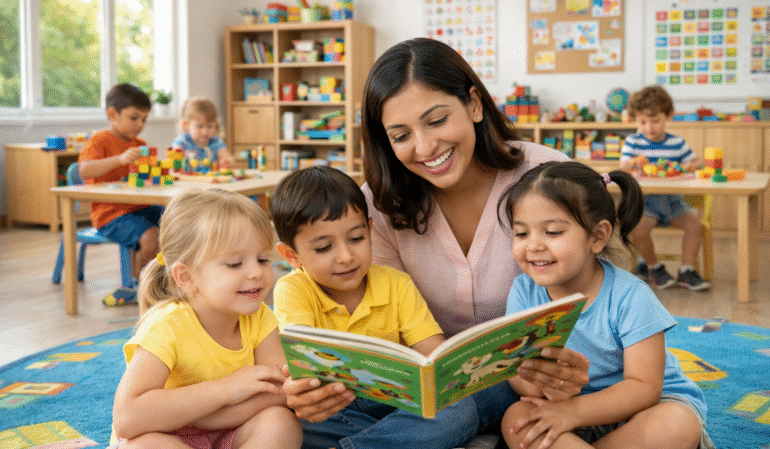
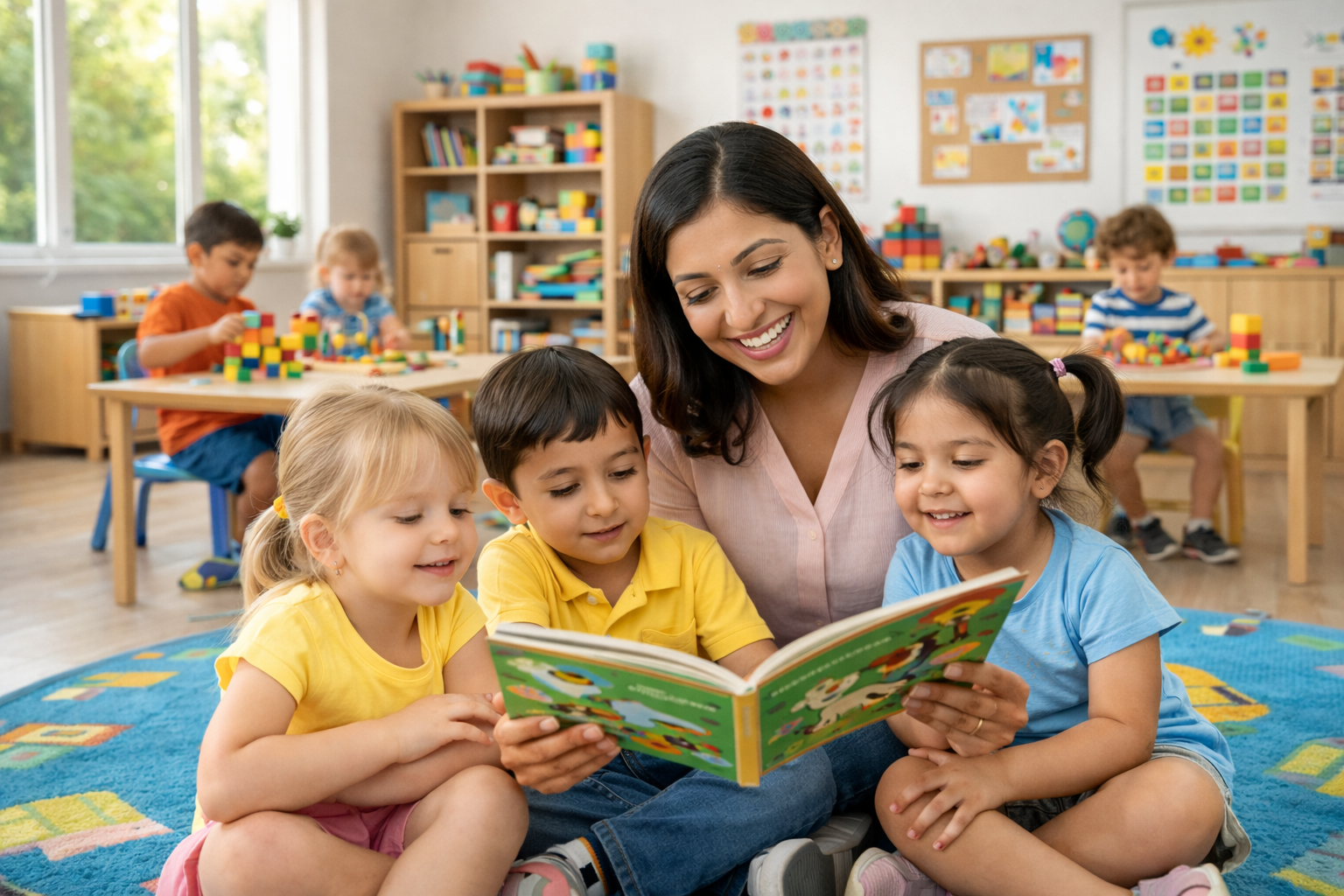
Preschool teachers play a crucial role in shaping the early experiences of young children. During the preschool years, children begin exploring the world around them, learning how to communicate, interact with others, and develop basic academic skills. A preschool teacher is not just an educator—they are a guide, mentor, and caregiver who supports a child’s overall development.
Many parents often wonder, what do preschool teachers do? Understanding their responsibilities can help parents appreciate the important role these educators play in a child’s early learning journey.
Who Is a Preschool Teacher?
A preschool teacher is an early childhood educator who works with children typically between the ages of 2 and 6 years. Their main goal is to create a safe, engaging, and supportive environment where children can learn through play and exploration.
Unlike traditional school teachers, preschool teachers focus on holistic development rather than strict academics. They encourage curiosity, creativity, and social interaction while helping children build essential life skills.
Key Responsibilities of Preschool Teachers
Preschool teachers perform many tasks every day to ensure children receive quality early education. Here are some of their main responsibilities.
1. Creating a Safe and Nurturing Environment
One of the most important responsibilities of preschool teachers is ensuring that children feel safe and comfortable in the classroom.
They maintain:
- Clean and organized classrooms
- Child-safe furniture and materials
- A welcoming and positive atmosphere
When children feel secure, they are more confident to explore and learn.
2. Planning Educational Activities
Preschool teachers carefully plan daily activities that support different areas of development. These activities include:
- Storytelling sessions
- Art and craft projects
- Music and dance activities
- Puzzles and building blocks
- Outdoor play and physical games
These activities help develop creativity, problem-solving skills, and coordination.
3. Supporting Social and Emotional Development
Preschool teachers help children learn how to interact with others and manage their emotions.
They guide children to:
- Share toys and take turns
- Express feelings appropriately
- Build friendships
- Respect classroom rules
These early social experiences are essential for healthy emotional development.
4. Encouraging Language and Communication Skills
Another important role of preschool teachers is helping children improve their communication skills.
Teachers encourage children to:
- Ask questions
- Participate in group discussions
- Listen to stories and songs
- Express their thoughts clearly
Regular conversations and storytelling sessions help children expand their vocabulary and confidence.
5. Teaching Basic Academic Skills
While preschool is mainly play-based, teachers introduce early learning concepts that prepare children for formal schooling.
Children learn:
- Letters and sounds
- Basic numbers and counting
- Shapes and colors
- Simple problem-solving skills
These lessons are delivered through fun and engaging activities rather than traditional classroom methods.
6. Observing and Tracking Child Development
Preschool teachers carefully observe children to understand their individual learning styles and developmental progress.
They monitor:
- Physical development
- Language skills
- Social interaction
- Emotional behavior
This helps teachers identify areas where children may need extra support.
7. Communicating with Parents
A strong partnership between teachers and parents is essential for a child’s development.
Preschool teachers regularly communicate with parents about:
- A child’s progress
- Behavior and social development
- Learning achievements
- Areas that need improvement
Parent-teacher communication helps create a supportive learning environment both at school and at home.
8. Encouraging Creativity and Curiosity
Young children are naturally curious, and preschool teachers nurture this curiosity through creative activities.
They encourage children to:
- Explore new ideas
- Ask questions
- Experiment with art and materials
- Use imagination during play
Creativity plays a major role in cognitive development.
Skills Required to Be a Preschool Teacher
Preschool teachers need special skills to work effectively with young children. Some of these skills include:
- Patience and understanding
- Strong communication skills
- Creativity and enthusiasm
- Knowledge of child psychology
- Classroom management skills
These qualities help teachers build positive relationships with children.
Why Preschool Teachers Are Important
Preschool teachers influence how children feel about learning. A caring and supportive teacher can help children develop confidence, independence, and a love for learning.
Children who have positive preschool experiences often:
- Adjust better to school
- Show stronger social skills
- Develop better communication abilities
- Feel more confident in new environments
This is why preschool teachers are considered one of the most important influences in early childhood education.
So, what do preschool teachers do? They do much more than teach letters and numbers. Preschool teachers guide children through their first learning experiences, helping them grow socially, emotionally, and intellectually.
By creating a nurturing environment, planning engaging activities, and supporting each child’s unique development, preschool teachers play a vital role in shaping a child’s future.
Early education is the foundation for lifelong learning, and preschool teachers are the ones who help build that foundation with care, patience, and dedication.