

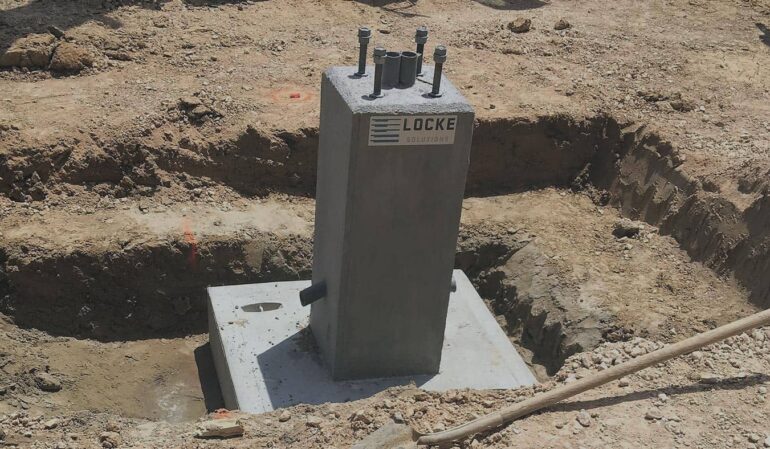
Spread footing is one of the most widely used foundation types in construction. Builders use it in houses, small buildings, and even some commercial projects. It is simple, cost-effective, and easy to construct. It works by spreading the load of a structure over a large area of soil so the building stays stable.
Even though spread footing is a reliable foundation system, it can face several problems if people do not design or build it properly. These problems can affect the safety and strength of the structure. The good thing is that most of these issues can be prevented or fixed with the right approach.
What Is Spread Footing?
Spread footing is a type of shallow foundation. Engineers place it under columns or walls to support the structure. It spreads the weight of the building across a larger area so the soil can carry the load safely.
Builders usually make spread footing with reinforced concrete. The size and thickness depend on:
- The weight of the building
- The type of soil
- The design requirements
A strong and well-built footing keeps the structure stable for many years.
1. Uneven Settlement
Problem
Uneven settlement is one of the most common problems in spread footing. It happens when one part of the foundation sinks more than another part.
This can cause:
- Cracks in walls
- Uneven floors
- Doors and windows not closing properly
This problem usually occurs when:
- Soil is not uniform
- Soil is not compacted properly
- Load distribution is uneven
Solution
To fix or prevent uneven settlement:
- Conduct a proper soil test before construction
- Compact the soil properly
- Design the footing based on soil capacity
- Use uniform construction methods
If uneven settlement already exists, engineers may use underpinning or soil improvement methods to stabilize the structure.
2. Low Soil Bearing Capacity
Problem
Every soil type has a limit to how much load it can carry. If the soil is weak, it cannot support the spread footing properly.
This can lead to:
- Excessive settlement
- Cracks in the structure
- Foundation failure
Solution
To solve this problem:
- Perform a detailed soil investigation
- Increase the size of the footing to spread the load
- Replace weak soil with stronger material
- Use soil stabilization techniques
In some cases, engineers may recommend a different type of foundation.
3. Poor Drainage
Problem
Water can weaken the soil under the footing. Poor drainage allows water to collect around the foundation.
This can cause:
- Soil erosion
- Reduced soil strength
- Cracks and settlement
Solution
To prevent drainage problems:
- Provide proper drainage systems
- Use gravel layers to improve water flow
- Install drainage pipes if needed
- Maintain proper slope around the building
Keeping water away from the foundation is very important for long-term stability.
4. Incorrect Footing Design
Problem
A poor design can lead to serious problems in spread footing.
Common design mistakes include:
- Incorrect size or thickness
- Weak reinforcement
- Ignoring soil conditions
Solution
To avoid design issues:
- Hire a qualified structural engineer
- Follow standard design codes
- Consider all loads and soil conditions
- Review calculations carefully
A good design is the first step to a strong foundation.
5. Poor Construction Quality
Problem
Even with a good design, poor construction can cause failure.
Common mistakes include:
- Improper concrete mixing
- Incorrect placement of steel bars
- Lack of proper curing
- Uneven base surface
Solution
To fix and prevent these issues:
- Use skilled labor
- Follow proper construction practices
- Ensure correct placement of reinforcement
- Cure concrete properly
Good construction quality ensures long-lasting performance.
6. Cracks in Footing
Problem
Cracks are a common issue in spread footing. They can happen due to:
- Shrinkage of concrete
- Temperature changes
- Overloading
- Poor curing
Cracks can weaken the footing if ignored.
Solution
To fix cracks:
- Use proper curing methods
- Avoid overloading
- Use high-quality materials
- Repair cracks using suitable techniques like epoxy injection
Regular inspection helps detect cracks early.
7. Frost Heave
Problem
In cold regions, water in the soil can freeze and expand. This pushes the footing upward. This problem is called frost heave.
It can cause:
- Movement in the foundation
- Cracks in the structure
Solution
To prevent frost heave:
- Place footing below the frost line
- Improve drainage
- Use insulation if required
These steps help protect the foundation from cold weather effects.
8. Soil Erosion
Problem
Soil erosion happens when water removes soil from around the footing. This reduces support and weakens the foundation.
Solution
To prevent erosion:
- Provide proper drainage
- Use retaining structures if needed
- Plant grass or vegetation
- Protect soil with suitable materials
Strong soil support is necessary for a stable foundation.
9. Overloading
Problem
Every spread footing is designed to carry a specific load. If the load increases beyond this limit, the footing may fail.
Overloading can happen due to:
- Adding extra floors
- Using heavier materials
- Design errors
Solution
To avoid overloading:
- Follow design limits
- Consult an engineer before making changes
- Strengthen the foundation if needed
Never ignore the load capacity of the footing.
10. Improper Reinforcement
Problem
Reinforcement gives strength to concrete. If workers place steel bars incorrectly, the footing becomes weak.
Common issues include:
- Wrong size of bars
- Incorrect spacing
- Poor placement
Solution
To fix this:
- Follow design specifications
- Use proper reinforcement methods
- Inspect steel placement before pouring concrete
Correct reinforcement ensures strength and durability.
11. Lack of Soil Testing
Problem
Skipping soil testing can lead to many problems. Without proper data, engineers cannot design a suitable foundation.
Solution
To avoid this issue:
- Always conduct a soil test
- Study site conditions carefully
- Use professional reports
Good planning helps avoid future problems.
12. Differential Moisture in Soil
Problem
Different moisture levels in soil can cause expansion and shrinkage. This leads to movement in the footing.
Solution
To control moisture:
- Maintain proper drainage
- Use moisture barriers
- Avoid water leakage near the foundation
Balanced moisture levels help maintain stability.
13. Improper Base Preparation
Problem
If the base under the footing is not prepared properly, it can lead to uneven support.
Solution
To fix this:
- Level the ground properly
- Compact the soil
- Remove loose or weak materials
A strong base ensures a strong footing.
14. Delayed Maintenance
Problem
Ignoring small issues can lead to bigger problems over time.
Solution
To prevent this:
- Inspect the foundation regularly
- Repair small cracks early
- Maintain drainage systems
Regular maintenance keeps the foundation in good condition.
Conclusion
Spread footing is a simple and effective foundation system, but it can face several problems if people do not design or build it properly. Issues like uneven settlement, poor drainage, weak soil, cracks, and overloading can affect the stability of the structure.
The good news is that most of these problems can be prevented with proper planning, design, and construction practices. Soil testing, good drainage, correct reinforcement, and quality work all play an important role in building a strong foundation.