

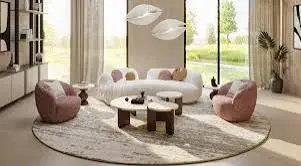
Creating a beautiful and comfortable home involves more than selecting attractive colors or arranging decorative accessories. Furniture plays a central role in defining how a space looks, feels, and functions. From a carefully designed sofa to a handcrafted dining table, every piece contributes to the overall character of an interior. Investing in designer furniture can help homeowners bring together exceptional craftsmanship, thoughtful design, and everyday practicality while creating spaces that remain appealing for years.
However, choosing furniture that combines style and functionality requires careful consideration. Trends change, room requirements evolve, and different materials offer different levels of durability. Understanding what makes a furniture piece worth investing in can help homeowners make confident decisions that reflect their personal preferences and lifestyle.
What Makes Designer Furniture Different?
Designer furniture stands out through its attention to detail, material selection, construction quality, and design philosophy. Unlike pieces selected solely for their immediate appearance, thoughtfully designed furniture considers how people interact with their surroundings.
Experienced designers pay attention to proportions, comfort, balance, and usability. A dining chair, for example, should complement the dining table visually while providing comfortable seating during everyday meals and longer gatherings.
Material selection is another important distinction. Quality furniture may incorporate solid hardwood, carefully selected veneers, durable upholstery, natural stone, glass, or metal. The right combination of materials contributes to both visual appeal and long-term performance.
Another defining characteristic is design consistency. Furniture collections often coordinate shapes, finishes, textures, and proportions, making it easier to create a cohesive interior without making every room look identical.
How Designer Furniture Enhances Interior Spaces
Furniture influences the atmosphere of a room just as much as its architectural features. The right selections can make an interior feel welcoming, sophisticated, organized, and comfortable.
Creating a Strong Visual Identity
Every home has its own character. Some homeowners prefer clean contemporary interiors, while others appreciate traditional details, natural materials, or transitional designs that combine different influences.
Furniture helps establish this identity. A sculptural accent chair can introduce personality into a neutral living room, while a beautifully finished dining table can become the focal point of a shared gathering space.
Improving Everyday Functionality
Good design should make everyday activities easier. Furniture needs to accommodate how people actually use their homes.
For example, a family room may benefit from comfortable seating, practical side tables, and storage solutions that keep frequently used items organized. Similarly, a home office requires a supportive chair and a desk with enough working space.
When appearance and functionality are considered together, furniture becomes an essential part of a well-planned interior.
Bringing Balance and Proportion
Furniture that is too large can make a room feel crowded, while undersized pieces may leave a space looking unfinished. Thoughtful selection helps maintain visual balance.
Room measurements, ceiling height, walking paths, and existing architectural features should all influence purchasing decisions.
A Practical Guide to Choosing Quality Designer Furniture
Selecting furniture becomes easier when homeowners follow a consistent approach rather than making decisions based entirely on appearance.
Step-by-Step Strategy for Making Better Furniture Choices
1. Understand Your Space and Requirements
Begin by evaluating the room where the furniture will be placed. Measure available floor space, doorways, hallways, and other access points to avoid delivery complications.
Consider how the room will be used. A formal living area may require elegant occasional seating, while a frequently used family room needs durable upholstery and comfortable arrangements.
For example, a homeowner furnishing a compact apartment might prioritize a streamlined sofa and a multifunctional storage cabinet. Someone with a larger open-plan home may prefer a generous sectional and a statement dining table.
2. Choose a Consistent Design Direction
Before purchasing individual pieces, identify the overall style you want to achieve.
Popular approaches include:
- Contemporary: Clean lines, restrained details, and practical forms.
- Modern: Simple silhouettes, balanced proportions, and purposeful materials.
- Traditional: Detailed craftsmanship, classic shapes, and established design influences.
- Transitional: A combination of traditional warmth and contemporary simplicity.
- Organic modern: Natural textures, softer forms, and earthy finishes.
A consistent direction makes it easier to combine furniture from different collections without creating visual confusion.
3. Examine Materials and Construction
Furniture quality depends heavily on what is beneath the surface.
For wooden furniture, examine the type of wood, joinery, finishing, and overall stability. Solid wood can offer excellent longevity, while quality engineered materials may provide practical benefits depending on the application.
For upholstered furniture, ask about frame construction, cushion materials, fabric composition, and cleaning requirements.
Check drawers, hinges, table joints, and other moving components. Smooth operation and stable construction are useful indicators of careful manufacturing.
4. Prioritize Comfort and Practicality
Beautiful furniture should also feel comfortable and suit everyday needs.
When selecting sofas and chairs, consider seat depth, back support, cushion firmness, and upholstery texture. Dining chairs should provide appropriate support, while beds should accommodate the intended mattress dimensions.
Whenever possible, test furniture in person before making a final decision.
5. Consider Long-Term Value
A furniture purchase should be evaluated according to its expected lifespan, maintenance needs, and usefulness.
A well-constructed dining table may remain part of a household for many years. Similarly, a neutral sofa with replaceable cushions or durable upholstery may adapt to changing decorative preferences.
Instead of purchasing every piece at once, prioritize essential furniture and gradually introduce complementary items.
Common Mistakes to Avoid When Buying Designer Furniture
Even attractive furniture can become disappointing when purchasing decisions overlook practical details.
Ignoring room measurements: A beautiful sofa may not fit comfortably through a doorway or may overwhelm a smaller living room. Measure both the room and the delivery route before ordering.
Following every design trend: Trend-driven purchases can quickly feel outdated. Incorporate changing styles through smaller accessories while keeping major furniture selections relatively versatile.
Overlooking material maintenance: Some fabrics require specialized cleaning, while certain natural surfaces need regular care. Understand maintenance requirements before choosing a material.
Prioritizing appearance over comfort: Furniture is meant to be used. A visually impressive chair that provides inadequate support may not be a practical investment.
Mixing too many styles: Combining different design influences can create an interesting interior, but unrelated finishes, shapes, and proportions may make a room feel disorganized. Maintain a consistent color palette or material connection.
Expert Tips for Creating a Timeless Interior
Building an attractive interior does not require filling every available corner with furniture. Thoughtful selection and placement often produce better results.
Start with foundational pieces such as sofas, beds, dining tables, and storage cabinets. These items establish the room’s structure and should meet your primary functional requirements.
Next, introduce complementary pieces through accent chairs, occasional tables, lighting, and decorative accessories. This approach creates depth without overwhelming the space.
Pay attention to material combinations. Wood, metal, glass, leather, and natural textiles can work together when their colors and finishes are carefully coordinated.
Lighting also influences how furniture appears. Natural daylight can highlight wood grain and fabric textures, while warm interior lighting creates a welcoming atmosphere in the evening.
Finally, allow sufficient breathing room around major furniture pieces. Clear walkways and balanced spacing make interiors easier to navigate and more visually appealing.
Conclusion
Designer furniture brings together thoughtful design, quality craftsmanship, comfort, and practical functionality. By considering room dimensions, material quality, construction, personal preferences, and long-term value, homeowners can create interiors that remain attractive and useful over time. Rather than following temporary trends, focus on carefully selected pieces that reflect your lifestyle and complement your home’s character. A thoughtful furniture investment can transform an ordinary room into a comfortable, cohesive, and welcoming living environment.