

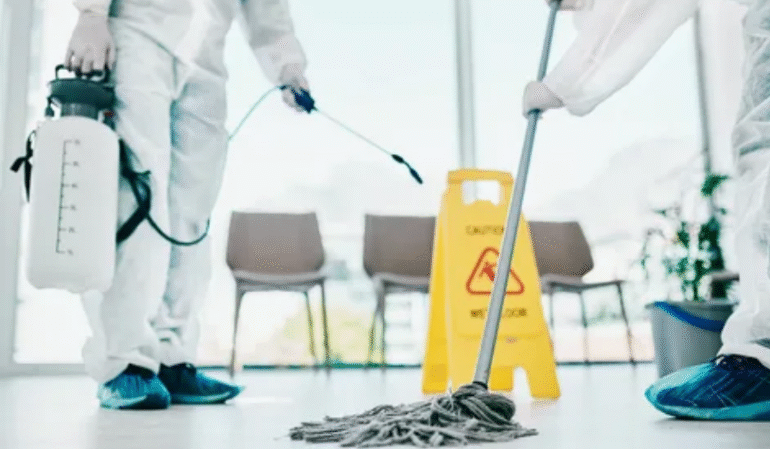
Maintaining a clean and healthy indoor environment is essential for every household, especially for individuals who suffer from allergies or respiratory sensitivities. Dust, pet dander, mold spores, and pollen are among the most common allergens that accumulate inside homes. While regular tidying helps, adopting a more strategic cleaning approach can make a significant difference. Many homeowners even choose to hire a professional Cleaning Service to ensure that these allergens are tackled effectively from the very first step. Below are practical and effective ways to reduce dust and allergens in your home and improve indoor air quality.
1. Dust Regularly and Correctly
Dusting may seem simple, but using the wrong method can actually push allergens back into the air. Instead of dry dusting with feather dusters that scatter particles, use microfiber cloths or electrostatic dusters. These materials trap dust instead of spreading it. Dust surfaces such as shelves, baseboards, blinds, ceiling fans, and furniture at least once a week. When dusting, work from top to bottom so that any falling dust can be vacuumed afterward.
2. Vacuum with a HEPA Filter
A vacuum equipped with a HEPA (High-Efficiency Particulate Air) filter is one of the most powerful tools for reducing allergens. HEPA filters trap even the smallest particles, including pollen, dust mites, and pet dander. Carpeted areas, rugs, and upholstered furniture should be vacuumed at least twice a week. If you have pets, consider increasing the frequency. Vacuuming your mattress regularly can also help eliminate dust mites.
3. Keep Indoor Humidity in Check
Humidity plays a major role in the growth of mold and dust mites. Keeping indoor moisture levels between 30% and 50% helps prevent these allergens from thriving. Use a dehumidifier in damp areas such as basements, bathrooms, and laundry rooms. Make sure your home is well-ventilated—open windows occasionally when weather permits or use exhaust fans after cooking or showering. Repairing leaks promptly can also prevent mold growth in hidden areas.
4. Wash Bedding and Upholstery Frequently
Your bed can harbor a large number of allergens, particularly dust mites. Washing bed sheets, pillowcases, blankets, and mattress covers in hot water once a week helps eliminate these pests. If possible, use allergen-proof covers on your mattress and pillows. Upholstered furniture, curtains, and cushions should also be cleaned regularly, as these fabrics trap airborne allergens easily.
5. Declutter to Minimize Dust Accumulation
Cluttered spaces collect more dust, making cleaning more difficult. Reducing unnecessary items on shelves, tabletops, and floors limits the number of surfaces where allergens can settle. Store items in closed containers instead of leaving them exposed. Keeping your home organized not only makes cleaning easier but also reduces the presence of hidden dust.
6. Clean or Replace HVAC Filters Regularly
Heating and cooling systems circulate air throughout your home, which means the filters trap dust, pollen, and other particles. If these filters become clogged, they can negatively impact indoor air quality. Replace HVAC filters every 1–3 months depending on usage and the type of filter. Consider upgrading to a high-quality allergen-reducing filter for better air purification.
7. Groom Pets Properly
Pets shed dander, fur, and saliva proteins that can trigger allergic reactions. Regular grooming reduces the amount of allergen particles released into the home. Brushing your pets outside and bathing them periodically can significantly improve indoor air quality. Pet beds, toys, and blankets should also be washed regularly to minimize dander buildup.
8. Remove Shoes at the Door
Shoes track dirt, pollen, and outdoor pollutants into the home. Establishing a “no shoes indoors” rule helps reduce allergens significantly. Place a mat at the entrance and provide a designated spot for shoes to prevent unwanted particles from spreading throughout the house.
9. Deep Clean Carpets and Rugs
Carpets trap dust and allergens deep within their fibers. Even with regular vacuuming, some particles remain embedded. Deep cleaning your carpets every 6–12 months using steam cleaning or professional methods can remove these hidden allergens. If allergies are severe, consider replacing carpets with hard flooring, which is much easier to keep clean.
10. Keep Windows and Doors Properly Sealed
Poorly sealed windows and doors allow outdoor allergens like pollen and dust to enter the home. Inspect seals, weather stripping, and screens regularly. Repairing gaps can reduce the amount of outdoor irritants entering your living spaces while also improving energy efficiency.
11. Use Air Purifiers for Extra Protection
Air purifiers with HEPA filters are effective in capturing airborne allergens that regular cleaning may miss. Place them in high-traffic areas such as living rooms, bedrooms, or areas where pets spend the most time. These devices work continuously to filter the air, improving overall indoor air quality.
12. Consider Professional Cleaning Services
Sometimes, even with the best efforts, allergens can hide in places that are difficult to reach or clean thoroughly. Hiring a professional Cleaning Service ensures a deep and comprehensive cleaning that targets every corner of your home. Professionals use high-grade equipment, HEPA vacuums, and specialized products designed to remove dust, dander, mold, and other allergens effectively. Regular scheduled cleanings can help maintain a healthier indoor environment year-round.
Conclusion
Reducing dust and allergens at home requires consistent effort and proper cleaning techniques. By adopting better cleaning habits, maintaining humidity control, grooming pets regularly, and using air purifiers, you can significantly improve your home’s indoor air quality. For individuals with allergies or busy households, relying on a professional Cleaning Service can be a smart investment that ensures thorough cleaning and long-term comfort. With the right strategies and routines, you can enjoy a fresher, healthier, and more comfortable home environment.