

Introduction
Designing a nursery in 2026 is an experience that blends the nostalgia of parenthood with a very modern focus on wellness and sustainability. Australian parents are moving away from the rigid, highly themed rooms of the past and embracing spaces that feel more like a natural extension of their home’s overall aesthetic. This year, the focus is on creating a sanctuary that is as soothing for the parents as it is for the newborn. With a greater emphasis on tactile materials, earthy tones, and furniture that grows with the child, the modern nursery has evolved into a sophisticated blend of form and function.
This guide explores the shifting landscape of nursery design, helping you navigate what is currently trending and which dated concepts are best left behind.
The Rise of the Biophilic Nursery
One of the most significant trends for 2026 is biophilic design. This concept focuses on bringing the outdoors in to create a calming and restorative environment. We are seeing a huge move toward natural light, indoor greenery, and raw materials like light oak, rattan, and seagrass. This approach is not just about looks as it also promotes a healthier air quality and a more grounded atmosphere for a developing infant.
Natural Textures and Raw Materials
Instead of the glossy plastics and heavy lacquers of previous years, parents are opting for textures that feel real and organic. Bouclé fabrics, linen drapes, and jute rugs are being used to add depth and warmth to the room. These materials provide a sensory experience for babies as they begin to explore their surroundings through touch. When you are looking for ways to extend this high quality feel beyond the nursery, investing in items like custom car seat covers baby travellers use can ensure your little one stays comfortable and stylish while on the move.
Earthy and Muted Colour Palettes
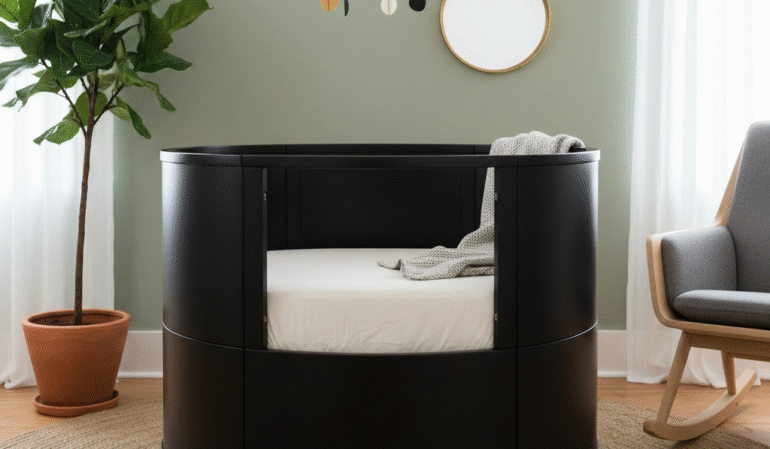
The days of high contrast primaries or strictly gendered pinks and blues are largely over. In 2026, the palette is inspired by the Australian landscape. Think soft sage greens, warm ochres, dusty terracottas, and deep sandy beiges. These colours are emotionally soothing and provide a versatile backdrop that transitions easily as a child grows. They also work beautifully with natural wood furniture, creating a cohesive and peaceful look.
Multi Functional and Sustainable Furniture
Sustainability is no longer a niche choice but a standard requirement for many new parents. In 2026, the focus is on “fewer but better” when it comes to furniture. Parents are looking for pieces that offer longevity rather than items that will be outgrown in six months.
Cots That Grow with the Child
Convertible cots that transition into toddler beds and eventually small daybeds are at the top of every shopping list. This trend reduces waste and provides a sense of continuity for the child. The craftsmanship in 2026 is focused on durability, with solid timber construction being preferred over flat pack alternatives.
Smart Storage Solutions
Clutter is the enemy of a calm nursery. Modern trends favour clever, hidden storage that keeps the space looking minimalist and tidy. Built in wardrobes with adjustable shelving and under cot drawers allow parents to tuck away nappies and toys while keeping the floor space clear for play. Open shelving is still used but primarily for displaying a few curated keepsakes or beautiful wooden toys rather than being packed with plastic items.
What is Out for 2026
As we embrace new styles, it is equally important to recognise the trends that are currently on the decline. These shifts are often driven by a desire for more authenticity and a move away from over produced aesthetics.
Heavily Themed Rooms
Gone are the days of the “total look” nursery where every single item features a specific cartoon character or a rigid jungle theme. Today’s parents prefer a more curated and eclectic approach. You might see a subtle animal print or a few botanical elements, but they are integrated naturally rather than dominating every surface. This allows the room to feel more sophisticated and less like a showroom.
High Gloss and Neon Colours
Fluorescent shades and high gloss finishes are definitely out. These can be overstimulating for babies and often feel a bit cold and clinical. The modern preference is for matte finishes and soft, diffused lighting. Layered lighting using dimmable lamps and wall sconces is preferred over a single harsh overhead light, as it helps establish a better sleep routine for the infant.
Creating a Sensory Haven
The modern nursery is designed to engage all the senses in a gentle way. This involves more than just visual decor. It includes acoustics, scent, and touch.
Acoustic Comfort
Soft furnishings like thick rugs and heavy curtains do more than just look good. They help dampen sound, creating a quieter environment for naps. In 2026, we are also seeing more parents integrate high quality white noise machines that are built into the room’s design, often disguised as decorative objects.
Personalisation and Meaning
A nursery should feel personal to your family. Instead of buying generic wall art, parents are choosing custom illustrations, hand woven wall hangings, or framed family photos. This adds a layer of heart and soul to the room that a store bought set simply cannot provide. Whether it is a hand knitted blanket or a bespoke name sign, these small details make the nursery feel like home.
The Practical Side of 2026 Decor
While aesthetics are important, the nursery must still be a working room. The best designs for 2026 successfully blend the beautiful with the practical.
- Washable Rugs: Stylish rugs that can be thrown in a standard washing machine are a huge trend for 2026.
- Cordless Window Treatments: Safety is always in style, and the move toward motorised or cordless blinds ensures a safer environment for a mobile toddler.
- Zone Design: Creating distinct zones for sleeping, feeding, and playing helps the room function more effectively for both the parent and the baby.
Conclusion
The 2026 Guide to Modern Nursery Decor Trends: What’s In and What’s Out reveals a move toward more thoughtful, sustainable, and emotionally resonant spaces. By choosing natural materials, muted colours, and multi functional furniture, you can create a nursery that feels timeless and tranquil. While trends come and go, the core of a great nursery remains the same. It should be a safe, comfortable, and loving environment where your baby can thrive. As you design your space, remember to listen to your own style instincts and prioritise the well being of your little one above all else.
FAQ
What is the most popular nursery colour for 2026?
Soft sage green and warm terracotta are currently the top choices for modern nurseries. These earthy tones provide a calming environment and work perfectly with natural wood accents.
Are nursery themes still popular?
Heavily themed rooms are declining in popularity in favour of more curated and eclectic styles. Modern parents prefer to use subtle motifs rather than a single character or theme throughout the entire room.
How can I make a small nursery feel bigger?
Using light colours on the walls and opting for furniture with slim profiles can help open up a space. Round cribs are also a great space saving option that improves the flow of a small room.
Is sustainable furniture more expensive?
While the initial investment might be higher, sustainable furniture is built to last much longer. Choosing pieces that grow with your child often saves you money in the long run.
What kind of lighting is best for a nursery?
Layered lighting is the best approach for a modern nursery. Use a mix of floor lamps, table lamps, and wall sconces with warm bulbs to create a soothing atmosphere for evening feeds.
Are rugs safe for a baby’s room?
Yes, rugs are safe as long as they have a non slip backing and are kept clean. Low pile or flat weave rugs are often preferred as they are easier to vacuum and keep free from dust.
What should I look for in an eco-friendly nursery?
Focus on solid wood furniture with non toxic finishes and textiles made from organic cotton or linen. Avoid items that contain harmful chemicals like formaldehyde or phthalates.