How a Strong Preschool Curriculum Shapes Your Child’s Future
A child’s early years are a magical time of discovery, growth, and endless curiosity. These formative years create the foundation for lifelong learning, and that’s where a preschool curriculum plays a crucial role. The right curriculum doesn’t just teach alphabets or numbers—it builds emotional, social, and cognitive skills that prepare children for a lifetime of success.
What Is a Preschool Curriculum?
A preschool curriculum is a structured plan of learning that guides how children explore and understand the world around them. Unlike rigid academic syllabuses, it focuses on play-based and experiential learning. It includes language development, motor skills, creativity, sensory activities, and social interactions—each designed to stimulate a child’s holistic growth.
In today’s educational environment, a well-planned preschool curriculum ensures that learning remains fun, engaging, and meaningful. It introduces young learners to the joy of discovery while laying the foundation for academic and emotional intelligence.
The Core Components of a Strong Preschool Curriculum
A robust preschool curriculum goes beyond rote learning. It’s carefully designed to nurture multiple areas of development. Let’s look at its main components:
1. Cognitive Development
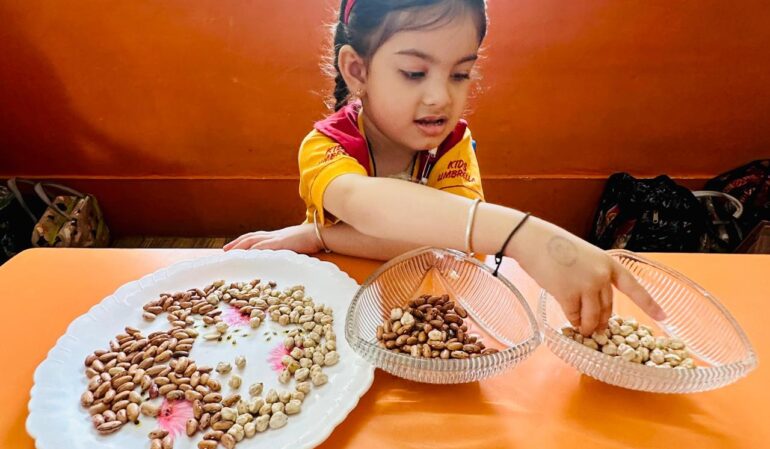
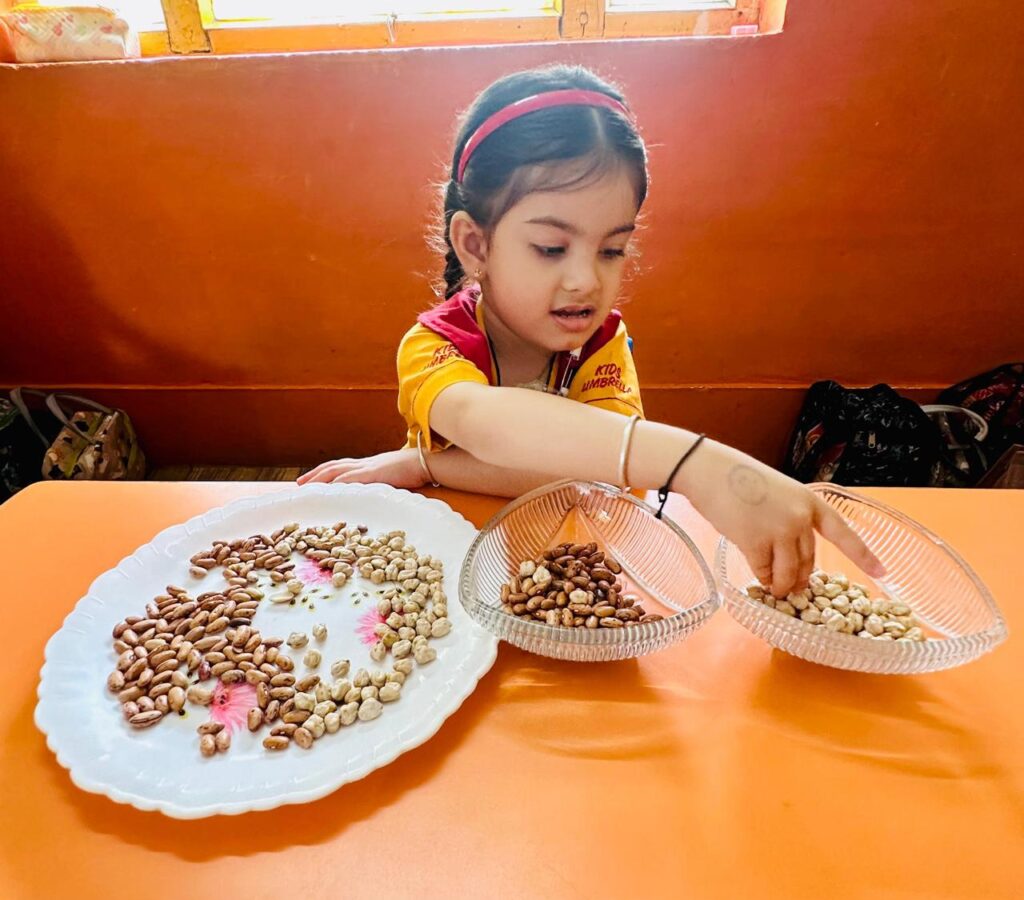
Cognitive skills help children think, reason, and solve problems. Through puzzles, sorting games, and storytelling, preschoolers learn how to make connections, identify patterns, and understand basic concepts like size, color, and shape. A strong preschool curriculum integrates curiosity-driven tasks that encourage critical thinking and creativity.
2. Language and Communication Skills
Reading, singing rhymes, and conversational activities help children develop vocabulary and communication confidence. Teachers encourage expression through both verbal and non-verbal methods. A dynamic preschool curriculum creates opportunities for storytelling, role play, and reading sessions that enhance listening and speaking skills.
3. Emotional and Social Development
Preschool is often a child’s first step outside the home environment. A thoughtful preschool curriculum helps children build friendships, share, take turns, and express feelings in healthy ways. Activities like group play and cooperative projects foster empathy, patience, and teamwork—skills essential for personal growth.
4. Physical Development
Fine and gross motor skills are equally important. The preschool curriculum integrates physical activities like dance, yoga, clay modeling, and outdoor games to build coordination, balance, and strength. Simple tasks like buttoning shirts or building blocks also enhance hand-eye coordination and self-reliance.
5. Creative Expression
Art, music, and drama play a big part in preschool learning. A creative preschool curriculum inspires imagination through drawing, singing, role-playing, and storytelling. These activities not only boost self-esteem but also teach problem-solving through experimentation and exploration.
The Role of Play in the Preschool Curriculum
Play is at the heart of every effective preschool curriculum. Play-based learning allows children to make sense of their environment through imagination and hands-on experiences. Whether it’s building a tower with blocks or pretending to run a shop, play enhances cognitive, emotional, and social growth.
Play helps teachers observe children’s strengths, interests, and learning styles, allowing them to tailor activities for maximum engagement. In essence, play transforms learning into a joyful adventure rather than a task.
How a Strong Preschool Curriculum Builds Future-Ready Skills
A thoughtfully designed preschool curriculum shapes not only academic readiness but also essential life skills. Here’s how it contributes to a child’s overall development and long-term success:
1. Builds Confidence and Independence
Through structured routines and guided activities, children learn to make decisions, complete tasks, and take initiative. A strong preschool curriculum empowers children to explore independently while feeling safe and supported.
2. Fosters Curiosity and Problem-Solving
Curiosity is the seed of innovation. The preschool curriculum nurtures this by encouraging exploration and experimentation. Children learn to ask questions, test ideas, and think critically—skills that become the foundation for scientific and creative thinking later in life.
3. Strengthens Social Skills
Group play, discussions, and storytelling help children learn empathy and cooperation. These experiences teach respect for others, conflict resolution, and teamwork—abilities that are essential for success in school and beyond.
4. Enhances Early Literacy and Numeracy
Through fun, interactive activities, children are introduced to letters, sounds, numbers, and counting. The preschool curriculum uses engaging visuals and games to build literacy and numeracy skills without pressure, preparing kids for formal schooling with confidence.
5. Encourages Emotional Intelligence
Emotional learning is as important as academics. A good preschool curriculum helps children recognize and manage emotions, develop patience, and build resilience. This emotional grounding allows them to handle challenges more effectively as they grow.
Modern Approaches to Preschool Curriculum in 2025
Today’s preschool curriculum has evolved with global education standards and new-age learning philosophies. Many preschools follow approaches like Montessori, Reggio Emilia, or PlayWay—each emphasizing child-led exploration. Digital learning tools, smart classrooms, and experiential setups are also being integrated to make learning more interactive.
For example:
- Montessori Curriculum focuses on independence and hands-on learning.
- Reggio Emilia Approach encourages creativity through exploration.
- PlayWay Method emphasizes learning through fun and interaction.
Modern preschools combine these methods to create a balanced environment that suits individual learning styles and promotes holistic growth.
Role of Parents in Supporting the Preschool Curriculum
Parents are key partners in a child’s early education journey. To make the preschool curriculum truly effective, parental involvement is essential.
Simple activities at home—like reading bedtime stories, encouraging free play, or talking about daily experiences—reinforce classroom learning.
Teachers and parents can collaborate through regular updates, progress meetings, and workshops to ensure consistent growth. When children see learning as a shared experience between home and school, their enthusiasm multiplies.
Choosing the Right Preschool Curriculum
When selecting a preschool, parents should consider factors like:
- The school’s teaching philosophy
- Balance between play and academics
- Teacher qualifications and training
- Child-to-teacher ratio
- Emphasis on safety, hygiene, and inclusivity
A high-quality preschool curriculum ensures that learning is both joyful and meaningful, nurturing every aspect of a child’s development.
A strong preschool curriculum lays the foundation for a lifetime of curiosity, confidence, and creativity. It equips children with essential life skills—social, emotional, intellectual, and physical—that guide them through every stage of growth.
By choosing a preschool with a well-rounded curriculum, parents are giving their child more than an education—they’re giving them the tools to build a bright, confident, and successful future.