Preschool Syllabus Overview : What Every Parent Should Know
The early years of childhood form the foundation for a lifetime of learning. During this stage, children are curious, imaginative, and eager to explore the world around them. To guide this natural curiosity into structured development, schools introduce a preschool syllabus designed to balance play, academics, and life skills. But what exactly does the preschool syllabus include, and why is it so important for your child’s growth? Let’s dive into a detailed overview that every parent should know.
What Is a Preschool Syllabus?
A preschool syllabus is a carefully planned curriculum designed for children between the ages of 2 to 6 years. Unlike formal schooling, preschool education emphasizes activity-based and play-based learning. The goal is not just academic readiness but also the development of social, emotional, physical, and cognitive skills.
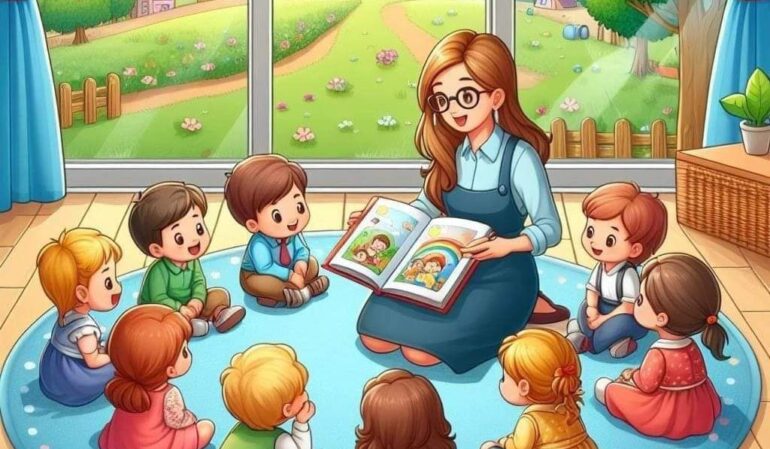
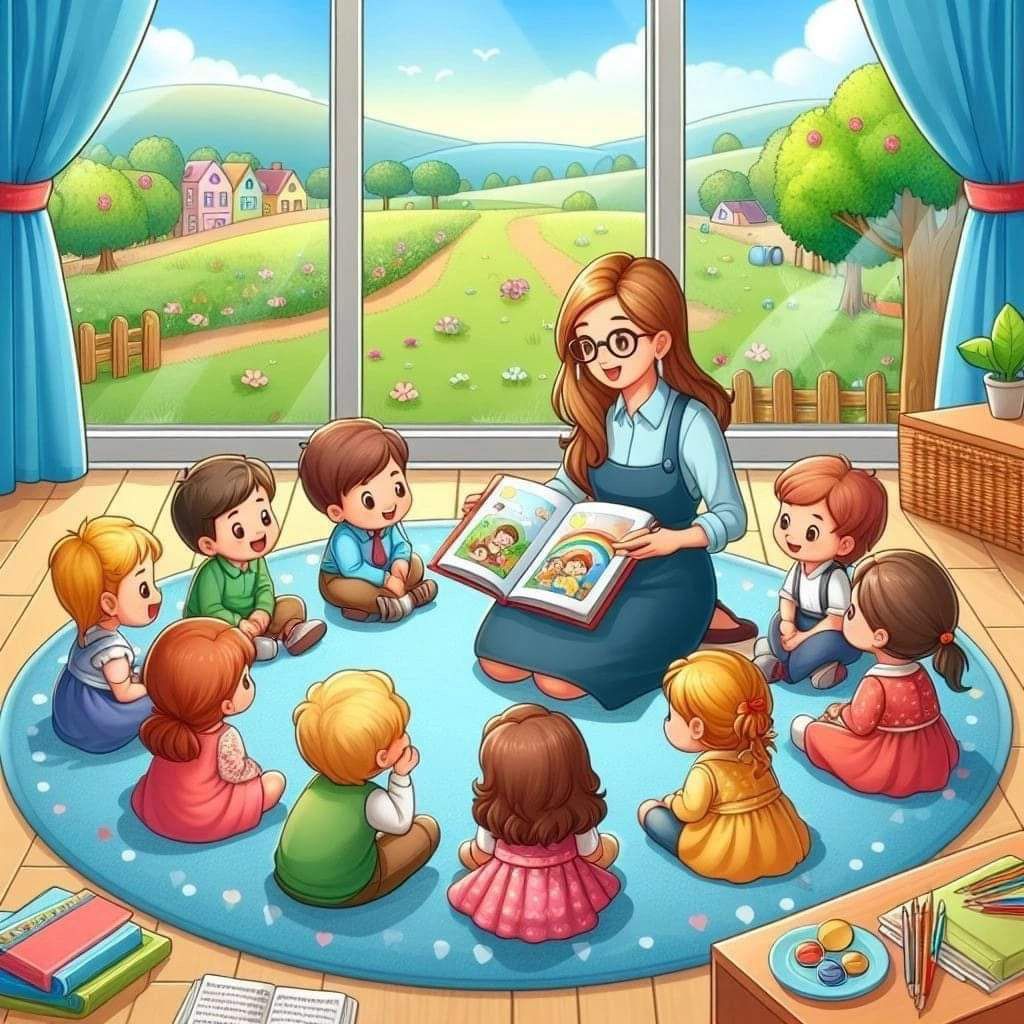
The syllabus usually combines structured activities (like storytelling, art, and rhymes) with free play, ensuring that children learn at their own pace while enjoying the process. A well-designed preschool syllabus prepares children for kindergarten and primary school by laying strong foundations in literacy, numeracy, creativity, and problem-solving.
Importance of a Preschool Syllabus
The preschool syllabus plays a vital role in a child’s development. Here’s why it matters:
- Foundation for Academics – Introduces numbers, alphabets, shapes, and colors.
- Holistic Growth – Focuses on cognitive, emotional, and social development.
- Language Skills – Builds vocabulary and communication through stories, rhymes, and conversations.
- Motor Skills – Enhances fine and gross motor abilities through physical play and creative activities.
- Socialization – Teaches teamwork, sharing, and empathy.
- Confidence Building – Encourages children to express themselves and explore new challenges.
Structure of the Preschool Syllabus
The preschool syllabus is usually divided into stages based on age groups:
1. Playgroup (Age 1.5 – 2.5 years)
Focus: Sensory exploration and social development.
- Introduction to colors, shapes, and basic objects.
- Rhymes, songs, and storytelling.
- Free play with blocks, clay, and puzzles.
- Motor skill development through running, jumping, and simple games.
- Introduction to sharing and group activities.
2. Nursery (Age 2.5 – 3.5 years)
Focus: Pre-literacy and pre-numeracy skills.
- Recognizing alphabets (A-Z) and phonics sounds.
- Identifying numbers 1–10 with counting exercises.
- Drawing, scribbling, and coloring activities.
- Simple craftwork like tearing, pasting, and folding.
- Learning about family, animals, fruits, and everyday objects.
- Introduction to hygiene habits like washing hands and eating properly.
3. Lower Kindergarten (LKG, Age 3.5 – 4.5 years)
Focus: Academic readiness with structured learning.
- Writing practice of alphabets and numbers (1–50).
- Introduction to two-letter and three-letter words.
- Rhymes, simple poems, and storytelling for vocabulary.
- Basic addition and subtraction with objects.
- Activities like matching, sequencing, and sorting.
- Group games to encourage leadership and teamwork.
4. Upper Kindergarten (UKG, Age 4.5 – 5.5 years)
Focus: School readiness and problem-solving.
- Reading simple sentences and storybooks.
- Writing small words and numbers up to 100.
- Introduction to concepts of time, days, months, and seasons.
- General awareness (plants, community helpers, festivals).
- Advanced craft and art activities.
- Role play and dramatization for confidence-building.
- Preparing for formal school with discipline and routine.
Key Subjects in the Preschool Syllabus
While the preschool syllabus is activity-based, it usually includes:
- Language Development – Phonics, vocabulary building, listening and speaking skills.
- Numeracy Skills – Counting, shapes, measurements, and patterns.
- Environmental Studies – Nature, seasons, festivals, and community awareness.
- Creative Arts – Drawing, painting, music, dance, and role play.
- Life Skills – Hygiene, sharing, discipline, and independence.
- Physical Development – Outdoor play, yoga, and motor skill activities.
Teaching Methods in the Preschool Syllabus
Preschools adopt various child-friendly teaching methods:
- Play-Based Learning – Learning through toys, puzzles, and free play.
- Montessori Method – Focuses on independence and hands-on learning.
- Activity-Based Learning – Arts, crafts, music, and drama.
- Storytelling and Rhymes – Enhances imagination and listening skills.
- Interactive Technology – Use of digital aids, smart boards, and educational games.
The choice of method depends on the school’s philosophy, but the ultimate aim of the preschool syllabus is to make learning joyful and engaging.
Role of Parents in the Preschool Syllabus
Parents play a vital role in reinforcing what children learn at school. Active participation helps children progress faster. Here’s how parents can support the preschool syllabus at home:
- Encourage reading simple picture books.
- Practice counting and shapes during daily activities.
- Engage in drawing, coloring, or building blocks together.
- Maintain routines like bedtime stories and hygiene habits.
- Celebrate small achievements to build confidence.
How the Preschool Syllabus Prepares Children for the Future
A well-planned preschool syllabus does more than prepare children for academics—it nurtures life skills that last a lifetime. By the end of preschool, children usually:
- Can read and write simple words and numbers.
- Communicate confidently with peers and teachers.
- Solve simple problems independently.
- Express themselves creatively through art, music, and storytelling.
- Show awareness about nature, community, and surroundings.
These skills ensure a smooth transition to primary school and set the stage for lifelong learning.
The preschool syllabus is a carefully structured program designed to shape young minds through play, exploration, and guided learning. From introducing alphabets and numbers to encouraging creativity and social skills, the syllabus ensures balanced development. Parents should look for a preschool that follows a comprehensive, child-friendly curriculum aligned with their child’s needs.
Investing in a strong preschool syllabus today means preparing children not just for school but for life—building confidence, curiosity, and a love for learning that will guide them through their educational journey and beyond.