

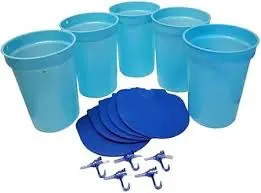
Collecting maple sap is one of the most rewarding parts of producing homemade maple syrup, but successful harvesting starts with having the right equipment. Whether you manage a small backyard maple grove or operate a larger sugaring operation, reliable collection containers help protect sap quality, simplify daily work, and reduce unnecessary equipment replacement. When exploring sap buckets for sale, it is important to understand which features contribute to durability, convenience, and dependable performance throughout the sugaring season.
Choosing maple sap collection equipment involves more than finding containers that hold liquid. Weather exposure, tree placement, collection frequency, and cleaning requirements all influence which buckets will work best. A well-selected collection system can make the entire harvesting process more efficient while helping producers maintain consistent results from season to season.
Understanding the Role of Maple Sap Buckets
Maple sap buckets are designed to collect liquid flowing from tapped maple trees during the late winter and early spring thaw. As temperatures fluctuate above and below freezing, pressure changes inside the tree allow sap to move through the tap and into a collection container.
Although the process sounds simple, collection equipment must handle changing outdoor conditions. Buckets remain exposed to sunlight, freezing temperatures, precipitation, and sometimes strong winds. Poor-quality containers can crack, become difficult to clean, or allow debris and insects to enter the collected sap.
Traditional metal buckets remain popular because of their familiar appearance and sturdy construction. Modern collection options also include food-grade plastic containers that are lightweight and convenient to handle. Both styles can serve maple producers effectively when selected according to their specific needs.
The main purpose of a good sap bucket is to collect and temporarily hold clean sap until it can be transported for processing. Since fresh sap is highly perishable, dependable collection equipment also supports better harvesting routines.
How to Choose Durable Maple Sap Collection Equipment
Selecting the right buckets requires considering several practical factors. Instead of focusing exclusively on appearance or initial cost, evaluate how the equipment will perform under actual harvesting conditions.
Step-by-Step Guide to Selecting the Right Sap Buckets
1. Choose Suitable Construction Materials
Material quality is one of the most important considerations when purchasing sap collection containers.
Metal buckets are valued for their traditional appearance and solid construction. Galvanized metal options can offer good outdoor durability, provided their interior surfaces are suitable for food contact and remain in good condition.
Food-grade plastic buckets offer another practical choice. They are generally lightweight, easy to transport, and convenient for producers who collect sap from numerous trees. Their resistance to corrosion is another advantage, although plastic quality varies between products.
When comparing materials, consider the following:
- Durability: Look for materials designed to withstand repeated outdoor use.
- Food safety: Ensure the container is intended for food contact.
- Weather resistance: Consider exposure to freezing temperatures and sunlight.
- Maintenance: Choose surfaces that are easy to clean and inspect.
Avoid using ordinary containers that were not manufactured for food storage. Previous chemical exposure or unsuitable materials can compromise sap quality.
2. Consider Bucket Capacity
Bucket capacity directly affects how frequently you need to empty containers. Smaller buckets are manageable and may work well for occasional backyard collection. Larger containers can reduce collection trips when several productive trees are located close together.
However, capacity should match the amount of sap your trees actually produce. A container that fills too quickly can overflow between collection visits, while unnecessarily large buckets may add weight and make handling more difficult.
For example, a homeowner tapping five mature maple trees might prefer manageable containers that can be checked daily. A producer managing several dozen trees may benefit from a larger collection arrangement that reduces repeated trips.
The goal is to balance storage capacity with convenient handling.
3. Inspect Handles and Mounting Features
A durable bucket needs dependable support. Handles, mounting brackets, and hanging points experience repeated stress from the container’s weight, wind movement, and routine removal.
Before purchasing, examine the attachment points and check whether the handle feels secure. Weak connections can cause problems when buckets become full.
Also consider how the container attaches to the tree. A stable mounting arrangement helps prevent unnecessary movement and makes collection more predictable.
4. Look for Practical Lids and Covers
Keeping sap clean is essential. Open containers can collect rainwater, leaves, bark, insects, and other unwanted material.
Lids help reduce contamination and protect collected sap from outdoor debris. They can also discourage animals from accessing the containers.
Choose covers that fit securely without making routine collection unnecessarily difficult. A practical lid should be easy to remove, clean, and reinstall during daily harvesting.
5. Evaluate Cleaning and Storage Requirements
Collection equipment should be straightforward to maintain. Smooth interior surfaces, accessible openings, and simple construction make cleaning easier after each harvesting period.
Consider how buckets will be stored during the warmer months. Containers that stack efficiently or have manageable dimensions can save valuable storage space.
Proper cleaning and complete drying before storage help prevent unwanted odors, residue buildup, and deterioration.
Common Mistakes When Purchasing Sap Buckets
Even experienced maple producers can overlook important details when replacing or expanding their collection equipment.
Choosing based on price alone: Low-cost containers may appear attractive initially, but weak handles, poor construction, and unsuitable materials can create additional expenses. Evaluate expected lifespan and maintenance requirements rather than considering purchase price alone.
Ignoring food-contact suitability: Not every bucket is appropriate for collecting consumable liquids. Containers should be specifically intended for food contact, with no questionable coatings or previous chemical exposure.
Buying the wrong capacity: Oversized containers can become difficult to handle when full, while undersized options may require excessive collection trips. Consider tree production and collection frequency before deciding.
Overlooking weather exposure: Equipment used outdoors needs to withstand seasonal temperature changes. Materials that become brittle in cold conditions or deteriorate under prolonged sunlight may require frequent replacement.
Neglecting regular inspections: Even durable buckets need occasional attention. Cracks, loose handles, damaged lids, and deteriorating surfaces should be identified before the next harvesting season.
Practical Tips for Getting Better Results From Sap Collection Equipment
Purchasing dependable buckets is only part of maintaining an efficient maple sap collection system. Good operating habits also make a noticeable difference.
First, establish a consistent collection schedule. Fresh maple sap should be gathered regularly, especially during warmer periods when microbial activity increases. Extended storage in outdoor buckets can affect its quality.
Second, keep containers clean throughout the season. Remove leaves, insects, and other visible debris, and wash equipment using appropriate food-safe cleaning practices. Rinse thoroughly and allow containers to drain properly.
Third, inspect each bucket before installation. Check the interior, exterior, handles, and mounting points. Replacing a damaged container before harvesting begins is easier than dealing with equipment failure when buckets are already collecting sap.
Fourth, organize your collection route. If your trees are spread across a property, arrange them into manageable groups. A consistent route helps prevent missed containers and makes daily collection less time-consuming.
Finally, maintain an inventory of your equipment. Record which buckets need replacement, which handles require attention, and how many additional containers may be needed for future expansion. This simple habit makes seasonal preparation more organized.
Conclusion
Choosing durable maple sap collection equipment is an important investment in a successful sugaring season. The right buckets should combine suitable materials, practical capacity, secure mounting features, effective covers, and easy maintenance. By evaluating these factors before purchasing, maple producers can build a dependable collection system that supports cleaner sap, more efficient harvesting, and longer equipment life.
Whether collecting sap from a handful of backyard trees or managing a larger maple grove, thoughtful equipment selection and consistent maintenance make the process easier. A little preparation before the season begins can help ensure that your collection equipment performs reliably when the trees start flowing.